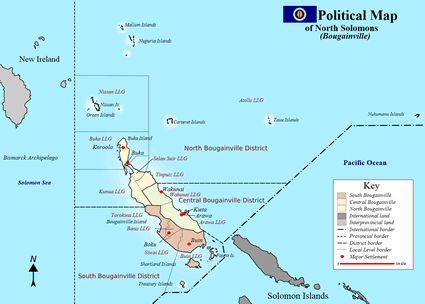
Halia is an indigenous people who live primarily along the eastern coast of Buka Island and the adjacent Selau Peninsula in the Autonomous Region of Bougainville, Papua New Guinea. Their name is shared with the Halia language, an Austronesian language of the Oceanic family that has served for generations as the core of cultural identity and oral tradition. Communities identified as Halia have long history tied to the land and sea, with relationships shaped by fishing, gardening, canoe travel, and inter-village exchange along coastal waterways and between islands. Traditional lifeways evolved in this environment of seaside villages and inland gardens, giving rise to cultural expressions and social norms that reflect deep connection to place and extended family networks.
Daily life among the Halia revolves around community, family, and maintaining close ties with the environment. People traditionally cultivate food gardens, fish in coastal waters, gather shellfish, and keep small livestock, activities that provide sustenance and shape rhythms of work and fellowship. Extended families and clans form the backbone of social organization, with ties of kinship guiding mutual support and cooperation. Social life includes storytelling, singing, and craft practices that reflect a long cultural heritage. On Buka Island, broader patterns of Melanesian horticultural organization have influenced how families plant staple crops such as taro and interact across villages, while coastal access has fostered travel and exchange between neighboring communities.
Christian faith is central to the spiritual life of many Halia people, with churches and Christian gatherings present in local communities. Scripture, including the New Testament, is available in the Halia language, enabling believers to engage with the Bible in a tongue they understand. This availability supports worship, teaching, and personal devotion in local settings. While Christian identity predominates, aspects of cultural heritage shape worldviews and community rhythms, and some traditional perspectives continue to inform how individuals relate to family, land, and ancestry. The diversity of personal belief within the group means that expressions of faith vary across households and locales.
Halia believers benefit from continued encouragement in spiritual maturity and discipleship rooted in Scripture and local language. Supporting church leadership, including training that equips pastors and teachers to serve with depth and humility, can strengthen Christian witness. Opportunities for families to deepen their faith together and pass spiritual conviction to younger generations are important, especially as communities navigate changing social and economic influences. Resources that promote thoughtful engagement with Scripture and fellowship across villages can nurture a resilient and vibrant Christian community.
Pray that Halia Christians would grow in their understanding of Christ and in unity as communities that reflect the love of God.
Pray for church leaders among the Halia to be grounded in Scripture, wise in counsel, and humble in service.
Pray for families to be sustained in faith and for younger generations to be nurtured in spiritual growth.
Pray for vibrant engagement with Scripture in the Halia language, bringing insight, hope, and transformation.
Pray that the Halia people would have a clear and gracious vision to share the hope of Christ with neighbors in ways that honor their cultural context and point to the gospel.
Scripture Prayers for the Halia in Papua New Guinea.
https://en.wikipedia.org/wiki/Buka_Island
https://dbs.org/en/research/languages/hla
https://pnglanguages.sil.org/resources/languages/language/hla
| Profile Source: Joshua Project |